Understanding Precision Die Casting in Malaysia
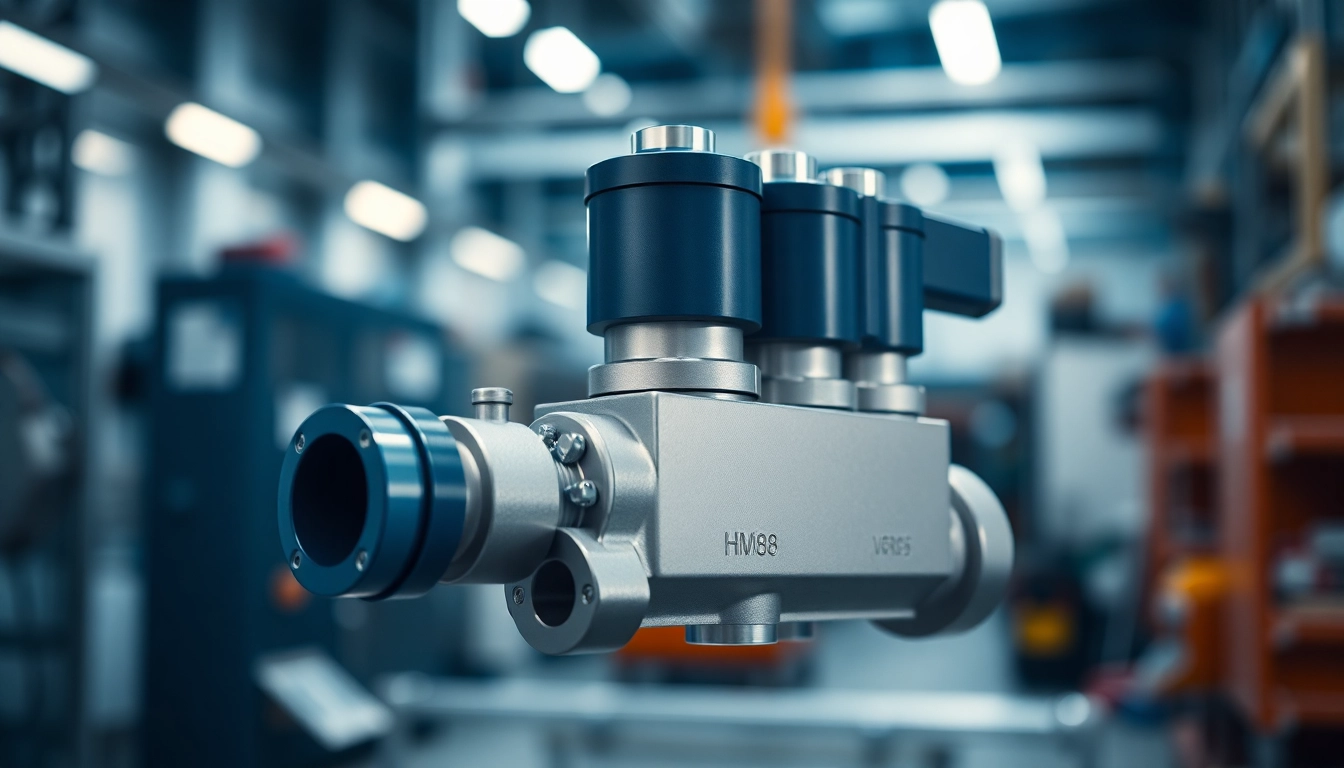
As a cornerstone of modern manufacturing, precision die casting malaysia has emerged as an essential process for producing high-quality metal parts across various industries. This innovative method is recognized for its ability to create intricate and precise components that are not only durable but also cost-effective. With Malaysia becoming a pivotal player in the global die casting landscape, understanding the fundamentals of precision die casting can significantly impact your business decisions and product development strategies.
What is Precision Die Casting?
Precision die casting is a manufacturing process that involves injecting molten metal into a mold to create complex shapes and designs with high dimensional accuracy. Unlike traditional casting methods, precision die casting uses advanced technology to minimize discrepancies and produce parts that require little to no finishing work. This process is particularly valued in industries such as automotive, aerospace, and electronics, where precision and reliability are paramount.
Benefits of Precision Die Casting for Industries
The advantages of precision die casting extend beyond mere cost savings. Here are some of the primary benefits that make it an attractive option for manufacturers:
- High Precision: Parts produced via die casting are engineered to meet exact specifications, resulting in minimal tolerance levels.
- Efficiency: The rapid production cycle allows manufacturers to meet tight deadlines without sacrificing quality.
- Material Versatility: Metals such as aluminum, zinc, and magnesium can be effectively used, allowing for a wide range of applications.
- Reduced Waste: The process generates less scrap compared to other casting methods, contributing to more sustainable manufacturing practices.
How Malaysia Became a Hub for Die Casting
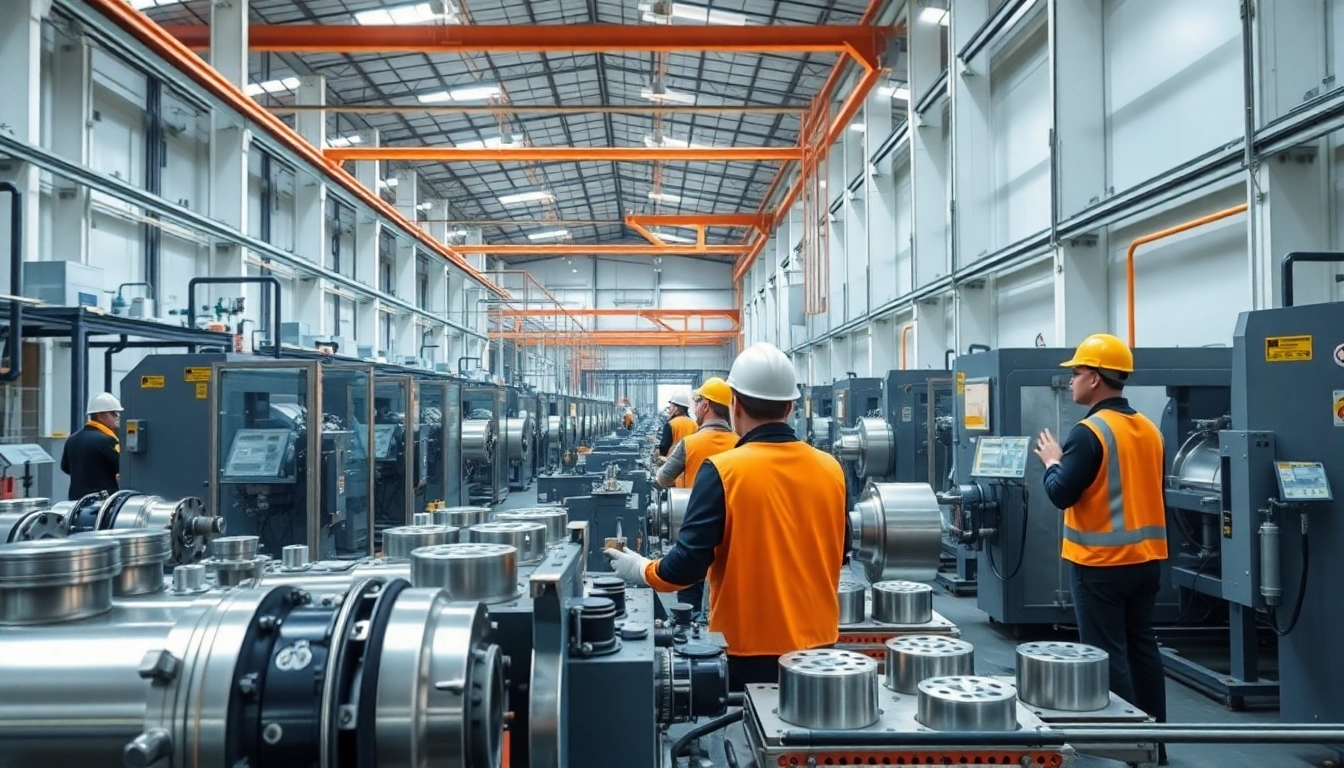
Malaysia’s favorable economic environment, skilled workforce, and strategic location in Southeast Asia have positioned it as a key player in the die casting industry. Investment in advanced manufacturing technologies and a commitment to quality have attracted global companies to establish their operations in the region. Furthermore, the government’s support for industrial growth has bolstered Malaysia’s reputation as a leading provider of precision die casting services.
Core Processes in Precision Die Casting
Step-by-Step Overview of the Die Casting Process
The die casting process comprises several critical steps, each vital to achieving the desired quality of the final product:
- Mold Preparation: Customized molds are designed and manufactured to meet specific requirements, ensuring precision in the final output.
- Melting the Metal: Appropriate metal alloys are melted in a furnace under controlled temperature settings.
- Inserting the Metal: The molten metal is injected into the mold under high pressure, allowing it to fill intricate details.
- Cooling and Solidification: Once the mold is filled, the metal is allowed to cool and solidify before removal.
- Finishing Operations: Trimming and additional finishing processes may be conducted to achieve the final specifications.
Materials Used in Precision Die Casting
Choosing the right material for die casting is crucial. Here are some commonly used materials:
- Aluminum: Lightweight and corrosion-resistant, aluminum is the most popular choice for die casting.
- Zinc: Known for its strength-to-weight ratio, zinc is often used for small, complex parts.
- Magnesium: This metal offers a high strength-to-weight ratio and is ideal for applications requiring lightweight components.
Quality Control Measures and Standards
To ensure that die-cast products meet stringent industry standards, rigorous quality control measures are implemented throughout the production process. These include:
- Regular inspections and tests to detect defects or inconsistencies.
- Use of advanced technologies like X-ray and ultrasonic testing to analyze material integrity.
- Compliance with international standards such as ISO and ASTM to guarantee product quality.
Applications of Precision Die Casting
Key Industries Utilizing Precision Die Casting in Malaysia
Various sectors benefit from precision die casting, enhancing product functionality and performance. Some of the primary industries include:
- Automotive: Components such as engine parts, housings, and transmission cases are commonly manufactured using this method.
- Aerospace: High-performance parts that require lightweight and strong materials can be effectively produced.
- Electronics: Die casting is ideal for creating enclosures and heat sinks found in electronic devices.
Case Studies of Successful Die Casting Projects
Many companies have successfully implemented precision die casting. One notable example is the production of lightweight automotive parts that contribute to fuel efficiency and reduced emissions. By leveraging advanced die casting techniques, these businesses have realized enhanced performance while minimizing costs.
Future Applications and Innovations in Die Casting
As technology advances, the future of precision die casting looks promising. Innovations such as 3D printing for mold creation and the integration of artificial intelligence for process optimization are set to revolutionize the industry. These advancements will likely lead to greater efficiencies and new applications across various sectors.
Choosing a Die Casting Manufacturer
Top Qualities to Look for in a Die Casting Partner
Selecting the right die casting manufacturer is critical for ensuring quality and reliability. When evaluating potential partners, consider the following:
- Experience: Look for manufacturers with a proven track record in your specific industry.
- Technical Expertise: Assess their capabilities in handling complex designs and materials.
- Certifications: Ensure they comply with relevant quality standards and certifications, which are essential for maintaining product quality.
Evaluating Manufacturer Capabilities and Certifications
Reviewing a manufacturer’s capabilities involves looking into their machinery, technological investments, and workforce proficiency. Certifications such as ISO 9001 ensure that they adhere to quality management standards, which can significantly impact your project’s success.
Cost Considerations for Precision Die Casting Services
While cost is a crucial factor, it should not be the sole determining aspect when selecting a die casting partner. Evaluate total production costs, including design, materials, and finishing, to ensure you’re getting value for your investment.
Future Trends in Precision Die Casting
Emerging Technologies Shaping the Die Casting Industry
With technological advancements reshaping the manufacturing landscape, several trends are emerging in precision die casting:
- Automation: Increased use of robots for handling and assembly processes enhances efficiency.
- Sustainability: The shift towards eco-friendly practices is prompting manufacturers to adopt greener technologies and recycling methods.
- Smart Manufacturing: The incorporation of IoT devices allows for real-time monitoring and optimization of die casting processes.
Predictions for the Die Casting Market in 2025
Analysts predict significant growth in the die casting market by 2025, driven by rising demand in the automotive and electronics sectors. Companies that adapt to new technologies and focus on sustainability will likely lead in market share.
How to Stay Ahead in the Die Casting Sector
To maintain a competitive edge in the die casting industry, manufacturers should invest in research and development, continuously upgrade their technology, and cultivate partnerships that enhance their innovation capabilities. Staying informed about industry trends and consumer demands is essential for long-term success.