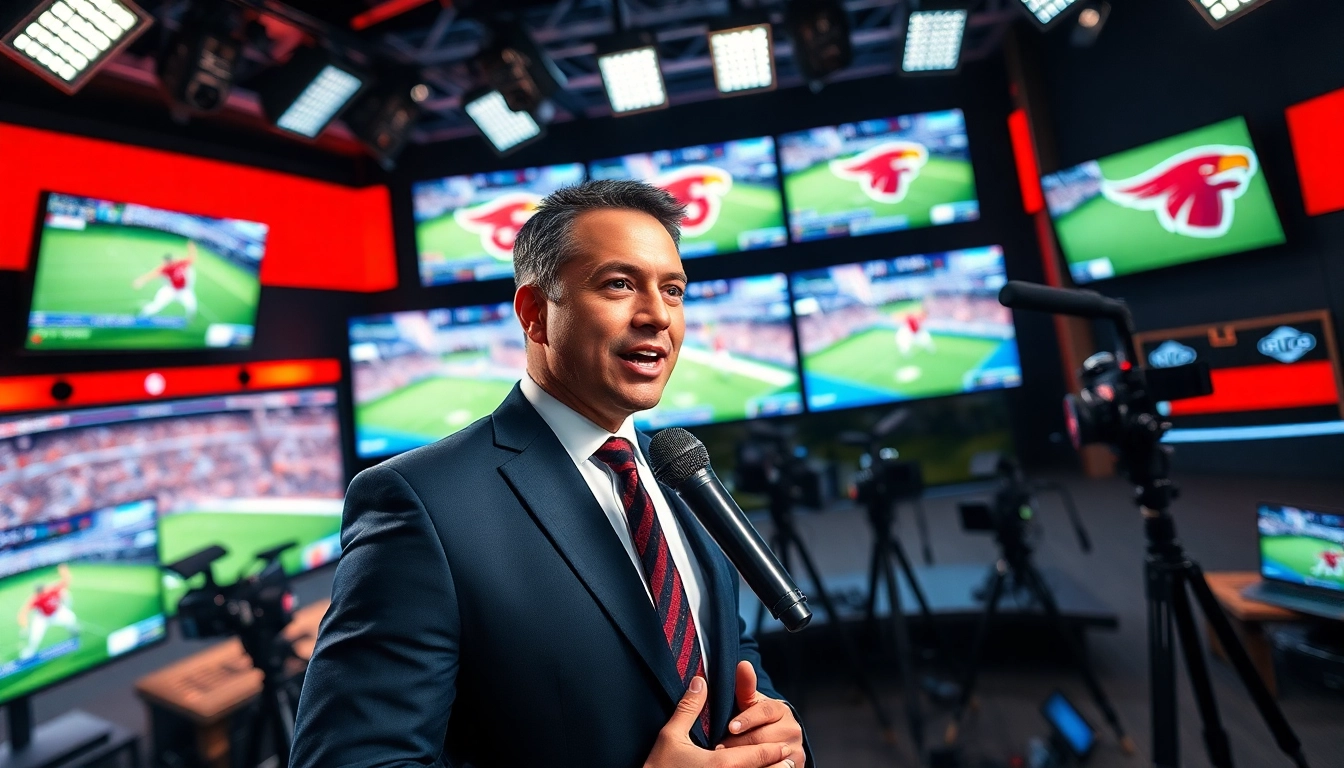
Introduction to Sports Broadcasting
Definition and Importance of Sports Broadcasting
Sports Broadcasting is the distribution of live or recorded sports events through various media channels such as television, radio, and digital platforms. It plays a crucial role in the sports ecosystem by bringing exciting athletic events to the audience, enhancing viewer engagement, and promoting team and athlete visibility. The emotional connection between fans and their favorite sports is deepened through effective broadcasting, making it an essential component of the overall sports experience. With the rise of digital content, Sports Broadcasting has evolved to include online streaming, providing unprecedented access to viewers worldwide.
Historical Evolution of Sports Broadcasting
The history of Sports Broadcasting dates back to the early 20th century when radio emerged as a popular medium. The first live sports event broadcasted was a boxing match in 1921. As technology advanced, so too did the methods of broadcasting. The introduction of television in the late 1940s and 1950s revolutionized the industry, allowing fans to experience sports in their living rooms. Major sporting events such as the Super Bowl and the FIFA World Cup gained immense popularity through televised broadcasts, leading to significant changes in how sports were consumed. The advent of satellite television in the 1980s further enhanced the experience, providing higher-quality images and a greater selection of channels. In recent years, the internet and streaming services have transformed viewing habits, allowing fans to watch events on various devices and platforms, changing the landscape of Sports Broadcasting forever.
Current Trends in Sports Broadcasting
Today’s Sports Broadcasting environment is characterized by major trends such as the rise of streaming platforms, targeted advertising, and enhanced interactivity. Viewers are increasingly favoring on-demand content over traditional live broadcasts, leading many networks to develop their apps and services centered on streaming. Additionally, social media has become vital in engaging audiences, providing real-time updates, and fostering community interactions during events. Data analytics play a significant role in understanding audience behaviors and preferences, allowing broadcasters to tailor content more effectively. Esports broadcasting has also surged in popularity, appealing to younger demographics and introducing new revenue streams. Overall, embracing technology and delivering personalized experiences are key to thriving in the current Sports Broadcasting landscape.
Understanding the Audience in Sports Broadcasting
Demographics and Preferences
Understanding the audience is foundational in the realm of Sports Broadcasting. The demographics of sports watchers can greatly differ depending on the sport being followed, ranging from age, gender, and geographic location to socio-economic status. For example, younger audiences are more inclined to consume content through streaming platforms, while older demographics may still prefer traditional cable television. In addition, preferences related to sports coverage can diversify significantly, with fans favoring either local teams or major international events. Recognizing these nuances allows broadcasters to create tailored content and marketing strategies that resonate with specific audience segments.
Engagement Strategies for Viewers
Boosting engagement is a critical objective for broadcasters. Successful strategies include leveraging social media platforms to create interactive experiences, encouraging viewers to share their opinions on broadcasts or participate in real-time polls during events. Additionally, gamification elements, such as fantasy sports, allow fans to take an active role in the sports experience, enhancing their connection to broadcasts. Integrating influencers or sports personalities into broadcasts can also amplify engagement, fostering a deeper connection between fans and content.
Impact of Technology on Audience Interaction
Technology has transformed audience interaction dramatically. Features such as live chat rooms during broadcasts and instant replay systems enhance viewer participation and enjoyment. Virtual and augmented reality is emerging as a tool to create immersive viewing experiences, allowing fans to feel as though they are part of the action. With the rise of analytics, broadcasters can gather real-time data on viewer preferences, helping them adapt content dynamically to enhance engagement. As technology evolves, audience interaction is likely to become increasingly sophisticated and personalized.
Key Techniques for Effective Sports Broadcasting
Preparation and Research for Broadcasters
Preparation is a cornerstone of effective Sports Broadcasting. Broadcasters must conduct extensive research prior to sports events to provide insightful commentary and context. This includes understanding team statistics, player histories, and recent performances. Deep knowledge allows broadcasters to engage audiences with meaningful narratives and expert analysis. Additionally, rehearsing segments and ensuring that all technical equipment is functioning properly is essential for seamless broadcasts. Preparation not only enhances on-air delivery but also builds confidence for performance during live events.
Communication Skills and On-Air Presence
Communication skills are fundamental for sports broadcasters, as they must articulate thoughts concisely and engagingly. Developing a commanding on-air presence involves techniques such as modulating voice tone, practicing clear pronunciation, and maintaining a lively engagement with the audience. A broadcaster’s ability to convey emotion and excitement during key moments significantly enriches the viewing experience. Cultivating rapport with co-hosts, analysts, and on-field reporters is also vital, as it fosters a natural, conversational dynamic that resonates with viewers.
Use of Visual Aids and Graphics
Visual aids and graphics enhance storytelling in Sports Broadcasting, providing clarity and depth to the coverage. Utilizing statistics infographics, 3D game movement illustrations, and player profiles helps convey complex information quickly and effectively. The use of replay technology can visualize key gameplay moments, enhancing analysis and engagement. Efficiently designing graphics that complement commentary without overwhelming viewers is crucial to maintain focus on the action while still enriching the overall production quality.
Challenges in the Sports Broadcasting Industry
Technical Difficulties and Their Solutions
The technical aspects of Sports Broadcasting can pose various challenges ranging from signal disruptions, equipment malfunctions, to latency issues with live streaming. These technical difficulties can significantly impact viewer experience. Implementing robust backup systems and redundancy plans is essential to mitigate potential disruptions. Regular maintenance of equipment, rigorous testing, and training for staff on troubleshooting procedures can further reduce technical challenges during live broadcasts, ensuring a smooth viewing experience for the audience.
Ethical Considerations in Sports Broadcasting
Ethics play an essential role in Sports Broadcasting, especially with issues of fairness, representation, and responsible reporting. Broadcasters must navigate the fine balance between promoting a spectacle and ensuring ethical coverage, particularly regarding sensitive issues like player injuries or scandals. Transparency and accountability are paramount, as irresponsible reporting can harm reputations and fan trust. Establishing clear ethical guidelines for coverage helps create a responsible and responsive sports media landscape.
Keeping Up with Changes in Viewership
The rapid evolution of viewing habits poses a challenge for broadcasters striving to maintain audience relevance. Keeping up with trends such as shifting demographics, consumer behavior, and technological innovations requires constant adaptation and strategic investment. Broadcasters must continually analyze audience data and feedback to refine offerings actively. Engaging with niches or specialized sports content can also help capture diverse viewership segments, ensuring that broadcasters remain competitive in a fluid landscape.
Measuring Success in Sports Broadcasting
Key Performance Indicators for Broadcasters
Measuring success in Sports Broadcasting relies on specific Key Performance Indicators (KPIs), which include viewership ratings, audience retention rates, and social media engagement metrics. These metrics provide insights into the effectiveness of broadcasts and help identify areas for improvement. Revenue from advertisements and sponsorship deals also serves as critical indicators of success. Utilizing data analytics tools enables broadcasters to track performance comprehensively and strategize future broadcasts more effectively.
Adapting Strategy Based on Audience Feedback
Audience feedback is invaluable in shaping future broadcasts. Broadcasters should actively solicit feedback through surveys, social media prompts, and viewer calls to identify preferences and areas of dissatisfaction. Integrating feedback into programming decisions fosters a sense of community and shows viewers that their input is valued. By adapting strategy based on audience insights, broadcasters can enhance viewer loyalty and satisfaction, ultimately leading to greater viewership.
Future Predictions for the Sports Broadcasting Landscape
The future of Sports Broadcasting is poised for significant transformation driven by technology and changing viewer expectations. The rise of AI and machine learning can lead to hyper-personalized content delivery, allowing fans to enjoy tailored sports experiences. Expansion into virtual and augmented reality could provide revolutionary immersive viewing experiences. Additionally, collaborations between traditional broadcasting networks and new platforms may lead to innovative broadcasting styles that enhance viewer engagement. The ongoing evolution of Sports Broadcasting will likely focus on accessibility, interactivity, and complex viewer engagement strategies.
FAQs
What is sports broadcasting?
Sports broadcasting refers to the dissemination of live and recorded sports events via television, radio, or digital media.
How has technology impacted sports broadcasting?
Technology has revolutionized sports broadcasting through high-definition visuals, streaming services, and interactive viewer experiences.
What skills are essential for sports broadcasters?
Essential skills include strong communication, quick thinking, research abilities, and familiarity with sports and audience engagement.
How do broadcasters measure audience engagement?
Engagement is typically measured through viewership statistics, social media interactions, and audience feedback during and after broadcasts.
What are current trends in sports broadcasting?
Current trends include the rise of streaming platforms, interactive viewing experiences, and a focus on social media engagement.