
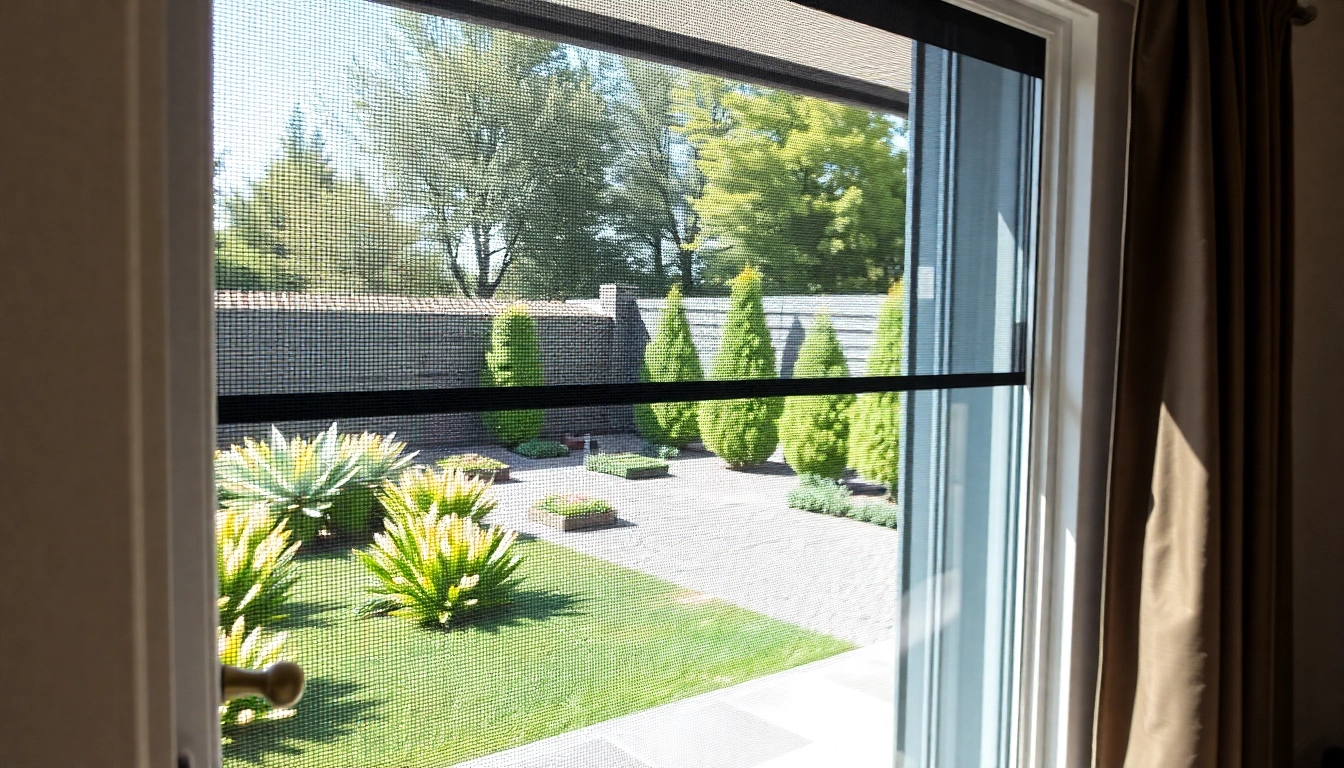
Understanding Flyscreens: Benefits and Types
What Are Flyscreens?
Flyscreens, commonly known as insect screens, are screens designed to allow air to flow through while keeping unwanted insects and pests out. Typically made from mesh material, they are highly effective in providing ventilation without compromising your indoor comfort. Flyscreens can be fitted on windows and doors, making them an essential component for homes, especially in regions where mosquitoes, flies, and other pests are prevalent. Implementing flyscreens in your home enhances the living environment by promoting fresh air circulation while safeguarding against unwelcome bugs.
Types of Flyscreens Available
When considering flyscreens, you’ll find a variety of types suited for different applications:
- Fixed Flyscreens: These are permanently attached to window or door frames, providing continuous protection without the need for removal.
- Retractable Flyscreens: These can be rolled up or down as needed, offering flexibility and convenience, especially for large openings.
- Magnetic Flyscreens: These screens utilize magnets to automatically close after passing through, making them ideal for high-traffic areas.
- Custom Cut Flyscreens: Designed to fit specific spaces, these screens can be tailored to any window or door size, ensuring a perfect fit and maximum effectiveness.
- Pet Screens: Made from heavy-duty materials, these screens withstand wear and tear from pets, providing durability while keeping them safe indoors.
Key Benefits of Flyscreenmaxx
Investing in Flyscreenmaxx products enhances your living space for several reasons:
- Superior Protection: Designed to keep insects, dust, and other outdoor elements at bay, flyscreens create a barrier while allowing fresh air to circulate.
- Energy Efficiency: By providing natural ventilation, flyscreens reduce reliance on air conditioning, which can significantly lower energy bills.
- Improved Comfort: Enjoy cooler indoor temperatures during the warmer months without opening up to pests; flyscreens maintain a comfortable living atmosphere.
- Versatile Designs: Available in various colors and styles, Flyscreenmaxx products can complement your home’s architecture while adding to its aesthetic appeal.
- Easy Maintenance: High-quality materials ensure longevity, and cleaning flyscreens is straightforward, requiring minimal upkeep for maximum performance.
Choosing the Right Flyscreen for Your Home
Factors to Consider
Selecting the right flyscreen involves a few essential considerations:
- Location: Assess where you need flyscreens—windows, doors, or both—and consider the frequency of use.
- Style: Choose a screen that matches your home’s decor. Flyscreens are available in various styles and colors, allowing personalization.
- Weather Conditions: Consider climate factors; stronger materials may be more suitable for homes in harsher weather conditions.
- Pet Considerations: If you have pets, opt for durable, pet-resistant screens to withstand their playful nature.
- Installation Type: Decide whether you prefer fixed, retractable, or magnetic screens based on convenience and functionality.
Comparing Flyscreen Materials
The effectiveness of a flyscreen largely hinges on its material. Here are common materials to consider:
- Fiberglass: Lightweight, resistant to rust, and easy to install, fiberglass screens are common for residential use.
- Aluminum: Durable and impact-resistant, aluminum screens are ideal for areas requiring extra strength.
- Stainless Steel: The premium choice, stainless steel is corrosion-resistant and supportive in areas with high exposure to weather elements.
- polyester: A synthetic option that offers varying designs and colors, ensuring aesthetic integration into your home.
Measuring for an Accurate Fit
Accurate measurements are crucial for the effectiveness of your flyscreens. Here’s a simple guide to ensure proper sizing:
- Height and Width: Measure the height and width of the window or door where the flyscreen will be installed. Take three measurements (top, middle, and bottom) to ensure consistency.
- Depth: Measure the depth of the frame as this will determine the thickness of the flyscreen you can use.
- Check for Obstructions: Identify any handles, locks, or other features that might interfere with the installation and adjust measurements accordingly.
Installation Processes for Flyscreenmaxx Products
DIY Installation Guidelines
Installing flyscreens can often be managed successfully with basic DIY skills. Follow these streamlined steps for a successful installation:
- Start by laying out all your materials and tools in a well-lit workspace.
- Ensure the window or door frame is clean and devoid of any dirt or grime that could hinder adhesion.
- Refer to the manufacturer’s instructions for specific installation guidelines tailored to your selected flyscreen type.
- Installing fixed screens usually involves mounting brackets or adhesive—follow the directions closely for correct placement.
- For retractable or magnetic options, ensure proper alignment for ease of operation.
Tools Required for Installation
While the tools required may vary by screen type, common tools include:
- Measuring tape for accurate dimensions
- Screwdriver (flathead or Phillips, depending on hardware)
- Scissors or a utility knife for cutting the screen material
- Adhesive or mounting brackets supplied with the flyscreen
- Level to ensure proper installation angle
Common Mistakes to Avoid
To ensure a flawless installation, keep an eye out for these common pitfalls:
- Inaccurate measurements can lead to poorly fitting flyscreens—double-check before cutting.
- Neglecting to clean the frame may affect adhesion and lead to weak installations.
- Forgetting to check for surrounding obstructions could compromise flyscreen functionality.
- Not referring to manufacturer instructions can cause errors in installation method and technique.
- Rushing the installation may result in misalignment; take your time for accurate placement.
Maintenance Tips for Longevity
Cleaning Your Flyscreen Effectively
Regular cleaning keeps your flyscreen effective and maintains its appearance. Here are steps to follow for proper cleaning:
- Remove dust and debris using a soft brush or vacuum with a brush attachment.
- Wash with mild soap and warm water; use a sponge or cloth to wipe down the screen without damaging the mesh.
- Rinse with clean water to remove any soap residue before drying it with a soft cloth.
- Inspect for any damage or wear during cleaning, allowing for maintenance or replacement as needed.
When to Replace Your Flyscreen
To ensure continued protection and efficiency, monitor the following signs that indicate it may be time for a replacement:
- Visible tears or holes in the mesh that cannot be repaired.
- Discoloration or corrosion in metal frames, affecting aesthetics and durability.
- Difficulty in opening or closing retractable screens or resistance in magnetic screens.
- Continued insect presence indoors, suggesting a loss of effectiveness.
- Increased maintenance needs, indicating the wear and tear of parts.
Protecting Against Weather Damage
Weather can take a toll on flyscreens, but proactive measures can protect them:
- Choose UV-resistant materials if your flyscreens will be consistently exposed to direct sunlight.
- Ensure frames are painted or coated to prevent rust and corrosion in humid or wet conditions.
- In winter, consider removing screens to prevent buildup from snow or ice that can warp frames.
- Store removable flyscreens indoors during extreme weather events to prolong their lifespan.
FAQs About Flyscreens
Frequently Asked Questions
Q: How long do flyscreens typically last?
A: The lifespan of flyscreens varies based on material, usage, and maintenance. Generally, quality screens can last several years with proper care.
Q: Can I install flyscreens myself?
A: Yes, many flyscreens are designed for DIY installation; however, always follow detailed instructions for best results.
Q: What if my flyscreen doesn’t fit exactly?
A: Custom-cut options are available to ensure a perfect fit for any window or door size.
Q: Are flyscreens effective at keeping out pollen?
A: Yes, flyscreens filter pollen and other allergens while allowing ventilation, benefiting allergy sufferers.
Q: Will a flyscreen prevent all insects from entering?
A: While flyscreens greatly reduce insect entry, they may not completely seal off all pests, especially smaller ones.
Understanding Warranty Options
The warranty for flyscreens can provide peace of mind. Check specifics regarding what’s covered, duration, and the terms of replacements or repairs, ensuring you’re informed before purchase.
Customer Support and Assistance
If you have questions or need guidance about Flyscreenmaxx products, their customer support is readily available to assist you in making informed decisions and ensuring satisfaction.


