
Understanding the 'Like It' Concept in Social Settings
The social dynamics of gatherings, whether casual or formal, are intricate and multifaceted. The phrase "like it" embodies the very essence of enjoyment and satisfaction that individuals seek in their interactions. Understanding what makes people feel inclined to say "I like it" in various social settings is crucial for event planners, hosts, and participants alike. By dissecting the nuances of social interactions in both casual and formal environments, we can glean insights that enhance the overall experience of social gatherings. When exploring options, like it provides comprehensive insights into making events resonate more with attendees.
Defining 'Like It' in Casual Environments
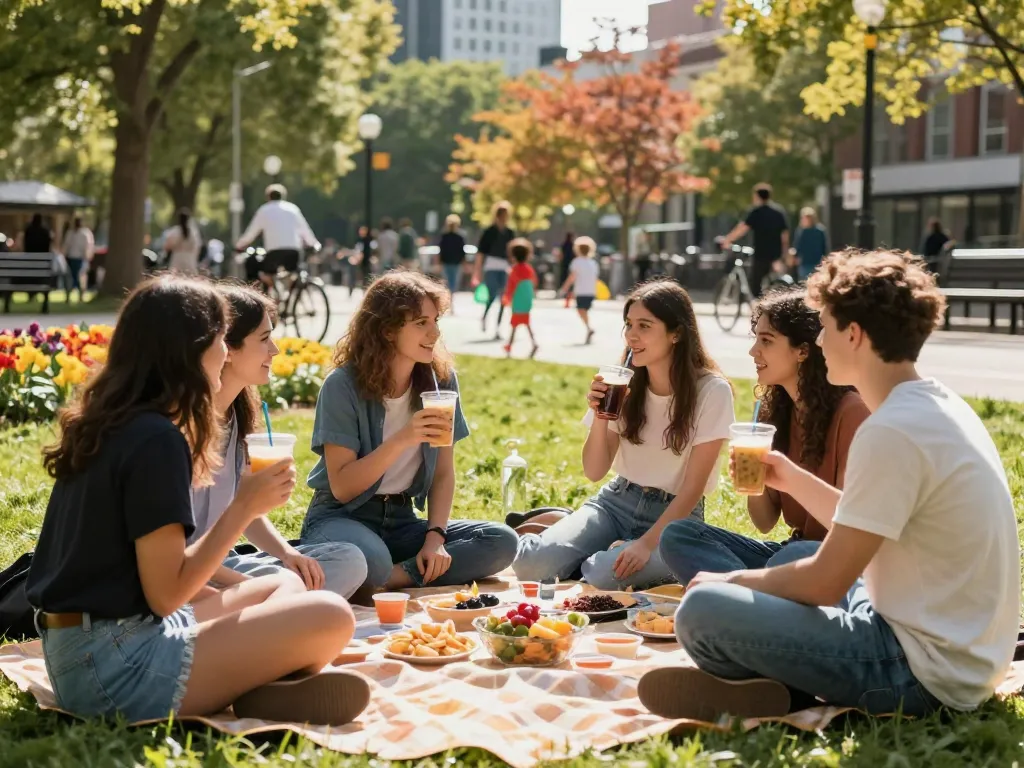
Casual environments, such as informal meet-ups, parties, or family gatherings, are often characterized by their laid-back atmosphere. Here, the expression "like it" reflects a sense of comfort and enjoyment. Elements that contribute to this sentiment include:
- Relaxed Atmosphere: An inviting environment that encourages free-flowing conversation and laughter.
- Engaging Activities: Fun games or interactive experiences that help break the ice.
- Inclusive Invitations: Ensuring that the guest list is a mix of familiar faces and exciting new ones promotes a sense of community.
Reinforcing these elements can lead to memorable experiences where guests genuinely express enjoyment.
Exploring Formal Gatherings: What Works?
Formal events, such as weddings, corporate functions, or galas, require a different approach to elicit a positive response from attendees. Here, "like it" is often associated with the elegance and professionalism of the execution. Key factors include:
- Thoughtful Planning: Every detail, from the venue selection to the menu, should reflect the purpose of the event.
- Cohesive Themes: A well-thought-out theme can unify various aspects of the event, making it more memorable.
- Guest Comfort: Ensuring that guests are comfortable—both in terms of seating and accessibility—is paramount.
These components contribute to a polished and enjoyable experience, prompting attendees to share their positive sentiments.
Emotional Responses to Social Interactions
The emotional landscape of social gatherings is complex. Participants often bring their own expectations and experiences to the table, impacting their enjoyment. Understanding these emotional responses can help organizers tailor their events effectively:
- Anticipation: The excitement leading up to an event can significantly shape perceptions. Marketing the event through engaging content can elevate expectations.
- Connection: Opportunities for guests to connect meaningfully can enhance emotional satisfaction. This could be facilitated through discussion prompts or group activities.
- Memorability: Unique experiences leave lasting impressions, encouraging attendees to reflect positively on their time spent at the event.
Challenges in Planning Social Events
Despite the best of intentions, many common challenges can arise when planning social events. These issues can diminish the joy that attendees feel, impacting their overall experience.
Common Misconceptions About Casual Gatherings
One prevalent misconception is that casual gatherings require little to no planning. While the vibe is relaxed, organization remains crucial. Key misconceptions include:
- Underestimating Preparation: Even informal events benefit from a clear agenda, whether it's a loose schedule or simple guidelines for hosting.
- Assuming Everyone Knows Each Other: A mix of familiar and new faces can create an awkward atmosphere if not managed properly.
By addressing these misconceptions, hosts can create more enjoyable and inclusive experiences.
Obstacles in Organizing Formal Events
Formal events pose their own set of challenges, often revolving around expectations and logistics:
- Budget Constraints: Allocating funds effectively can be challenging; mismanagement might lead to compromising on key aspects of the event.
- Time Management: Coordinating schedules, bookings, and timelines requires meticulous planning to avoid last-minute stress.
Successful organization in formal settings requires foresight and adaptability to navigate these potential pitfalls.
Finding the Balance: Casual vs. Formal
Striking the right balance between casual and formal elements can significantly enhance guest experiences. A few strategies to consider include:
- Hybrid Events: Incorporating both casual and formal components can cater to diverse preferences.
- Flexibility: Allowing room for spontaneity while maintaining a basic structure keeps the event lively yet organized.
Ultimately, the goal is to ensure that guests feel at ease and engaged throughout the event.
Best Practices for Creating Enjoyable Experiences
To foster an environment where attendees feel compelled to express their enjoyment, certain best practices should be adopted.
Casual Event Essentials: Activities and Atmosphere
Casual gatherings thrive on the right mix of atmosphere and activities. Key elements include:
- A Welcoming Setting: Comfortable seating, ambient lighting, and a relaxed vibe create a space where people feel at home.
- Interactive Games: Icebreakers and engaging activities help guests mingle and form connections.
These components collectively enhance the overall ambiance and encourage guests to share their enjoyment openly.
Formal Event Strategies: Creating Elegance
For formal gatherings, elegance is paramount. Consider the following strategies:
- Attention to Detail: Fine linens, exquisite table settings, and tasteful decor elevate the event's atmosphere.
- Culinary Excellence: A thoughtfully curated menu not only satisfies but can be a conversation starter among guests.
These strategies contribute to an overall feeling of sophistication that resonates positively with attendees.
Integrating Elements That Make Guests 'Like It'
Incorporating elements that resonate with your audience can significantly influence their experience, including:
- Feedback Mechanisms: Providing avenues for guests to share their thoughts fosters a sense of appreciation and allows for improvement in future events.
- Unique Experiences: Whether through surprise performances or themed activities, creativity can boost enthusiasm and enjoyment.
By focusing on these elements, hosts can create environments that encourage positive feedback and memorable moments.
Real-World Examples and Case Studies
Learning from successful events offers invaluable insights into effective planning and execution.
Successful Casual Gatherings: What We Can Learn
Casual events that have successfully resonated with attendees often exhibit certain commonalities:
- Inclusive Approaches: Events that actively encourage diverse participation typically see higher levels of engagement.
- Interactive Components: Incorporating fun challenges or games can break the ice and promote interactions.
These practices ensure that attendees feel involved and appreciated in casual settings.
Inspirational Formal Event Designs
Formal events that have stood out demonstrate a clear vision and attention to detail:
- Thematic Consistency: Successful formal gatherings exhibit a cohesive theme that informs decor, attire, and even the menu choices.
- Guest Experiences: Thoughtful touches, such as welcome gifts or personalized seating arrangements, can make a lasting impression.
Emulating successful strategies can enhance your own event planning efforts.
Feedback from Attendees: What Resonated?
Gathering and analyzing attendee feedback can illuminate areas of success and improvement:
- Post-Event Surveys: Sending surveys post-event allows hosts to gauge what attendees enjoyed most and what could be enhanced.
- Social Media Engagement: Monitoring attendees' social media reactions provides real-time insights into their experiences and satisfaction levels.
These feedback mechanisms empower event planners to refine their approaches for future gatherings.
Future Trends in Social Gatherings (2026 and Beyond)
The landscape of social gatherings is evolving rapidly, driven by changing societal norms and technological advancements.
Emerging Styles in Casual Socializing
As we move towards 2026, casual gatherings are likely to adopt new styles, such as:
- Experiential Events: Events that focus on creating unique, immersive experiences rather than mere social interactions.
- Virtual and Hybrid Gatherings: Combining physical presence with digital engagement allows for greater participation across distances.
These trends reflect an adaptation to modern lifestyles while prioritizing social connection.
Innovations in Formal Event Planning
Formal events will also see innovations that enhance attendee experiences:
- Sustainable Practices: Incorporating eco-friendly elements into event planning, such as biodegradable materials, will become more prevalent.
- Personalization: Tailored experiences, from customized programs to interactive tech, will set new standards for guest engagement.
These innovations will not only improve attendee satisfaction but also reflect a commitment to contemporary values.
What Will Make People 'Like It' in the Future?
Looking ahead, factors that will contribute to attendees saying "like it" include:
- Authentic Connections: Creating genuine opportunities for attendees to connect on a personal level will remain vital.
- Inclusivity and Accessibility: Ensuring events are welcoming to all will enhance overall satisfaction and enjoyment.
By anticipating these trends, event planners can craft gatherings that not only meet expectations but exceed them.