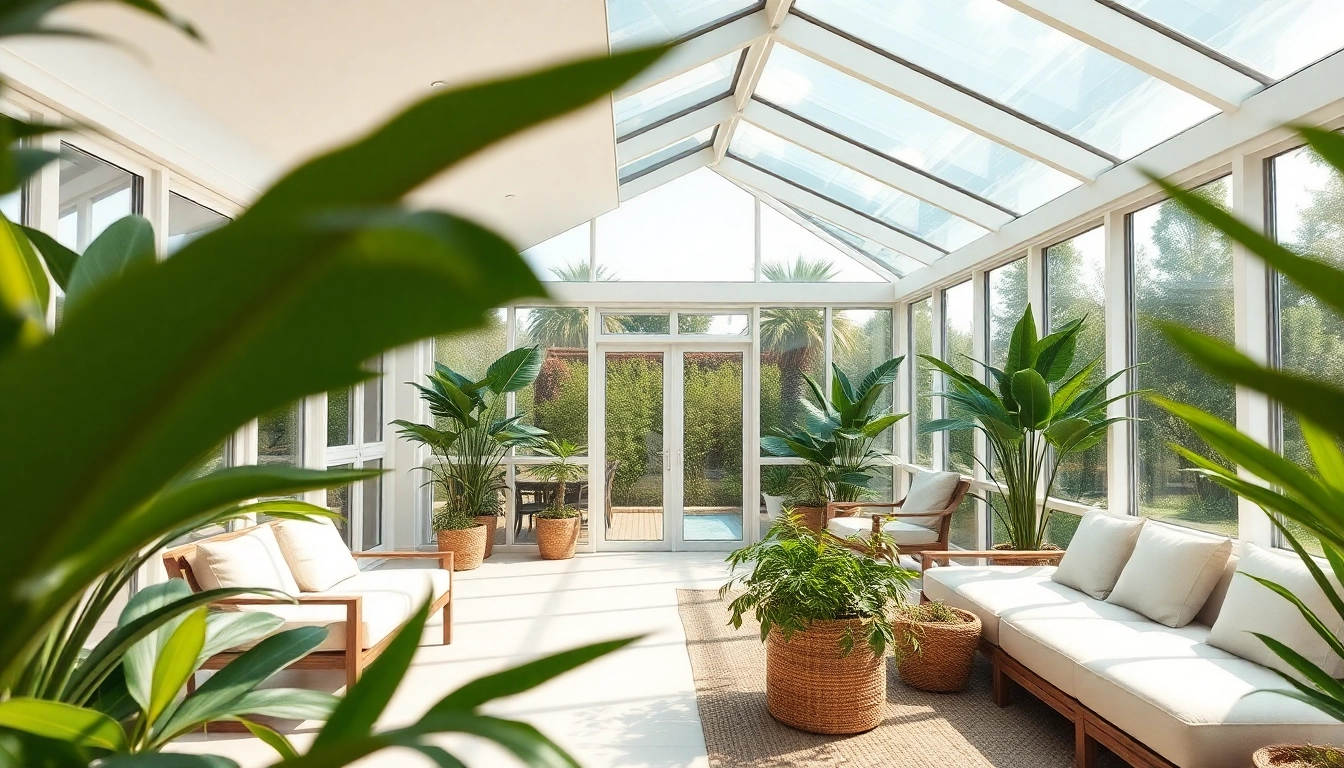
What is a Solarium Room?
Definition and Key Features
A solarium room is a spectacular addition to any home, offering a glass-enclosed environment designed to maximize natural light. Characterized by glass walls and ceilings, it provides an unobstructed view of the outdoors while creating a warm, inviting atmosphere inside. Owners often utilize solariums for various purposes such as relaxation, gardening, or as sunlit dining spaces.
Key features that distinguish solariums include:
- All-Glass Structure: Unlike traditional rooms, solariums are constructed entirely of glass, promoting a bright and open feel.
- Thermal Performance: Many solariums are designed to be energy-efficient with insulated glass that can be used all year round.
- Versatile Integration: They can be designed to seamlessly connect with adjacent areas of a home, enhancing flow and functionality.
Comparison with Sunrooms
At first glance, the terms “solarium” and “sunroom” may seem interchangeable, but there are critical differences. While both structures offer a space to enjoy light and views, a solarium room is a fully glass enclosure, providing maximum sunlight exposure with no solid walls. Sunrooms, in contrast, often feature a combination of glass and solid walls, limiting natural light.
This distinction is not merely semantic. The structural designs influence aspects like heating, cooling, and overall ambiance:
- Light Exposure: A solarium maximizes sunlight intake, making it ideal for growing plants or basking in natural light.
- Temperature Control: Solarium rooms can be outfitted with heating and cooling systems, allowing for year-round use.
- Design Flexibility: The all-glass aspect opens up many design possibilities, catering to individual tastes and home aesthetics.
Common Uses of Solarium Rooms
With such diverse features, the solarium room serves a multitude of purposes within the home:
- Garden Haven: Many use their solarium for indoor gardening, showcasing an array of plants that appreciate the abundant sunlight.
- Relaxation Space: It can be transformed into a tranquil retreat, equipped with comfortable seating and decorative elements.
- Dining Area: Families often create sunny dining spaces, providing a picturesque setting for meals.
- Home Office: The natural light of a solarium can boost productivity, making it a favorable location for an office.
Benefits of a Solarium Room
Enhanced Natural Light
One of the most pronounced benefits of a solarium room is the exposure to natural sunlight. Research shows that natural light enhances mood and promotes well-being. Homeowners often report feeling more energized and less stressed when surrounded by daylight. Moreover, natural light can help regulate sleep patterns, making a solarium room a perfect place for leisurely activities or relaxation.
Year-Round Usability
Modern solarium designs are equipped with effective climate control systems. This setup allows for year-round enjoyment regardless of the external weather conditions. Heating and cooling solutions ensure that occupants can comfortably use the space in all seasons. With the right insulation and glass technology, solariums are as cozy in winter as they are refreshing in summer.
Increased Property Value
Investing in a solarium can significantly enhance the value of a property. Potential buyers often appreciate the aesthetic appeal and functional benefits a solarium provides. Real estate studies indicate that homes with glass-enclosed spaces tend to have higher sale prices and reduced time on the market, as many buyers are eager to gain unique living spaces that enhance the quality of life.
Design Ideas for Your Solarium Room
Modern Minimalist Styles
When designing a solarium, a modern minimalist approach may resonate with many. The clean lines and open spaces characteristic of this style emphasize tranquility and allow the outdoor view to serve as the main highlight:
- Neutral Color Palette: Using whites, blacks, and soft grays can help achieve a serene and sophisticated feel.
- Sleek Furniture: Opt for furniture with clean lines and an understated aesthetic that won’t compete with the natural surroundings.
- Integrated Technology: Many homeowners now incorporate smart technology for lighting and temperature control that complements the minimalist design.
Cozy Retreats with Greenery
Another approach is to create a cozy retreat that invites indoor plants and warm decor. This design fosters a sanctuary-like feel conducive for relaxation and creativity. Here are some ideas to consider:
- Indoor Plants: Use potted plants or hanging gardens to enhance the green aesthetic and improve air quality.
- Comfortable Furnishings: Incorporate plush seating, throws, and cushions to add warmth and welcome visitors.
- Artistic Touches: Curate wall art and decorative items that reflect personal style while harmonizing with the natural lighting.
Integrating Technology in Design
As technology continues to advance, integrating smart home features into solarium designs has become increasingly popular. Consider the following technology trends:
- Automated Blinds: Automatic shading solutions can be controlled based on sunlight exposure, regulating sunlight and temperature effectively.
- Smart Climate Control: HVAC systems that can be controlled remotely allow homeowners to maintain comfort effortlessly.
- Illumination Solutions: Energy-efficient LED fixtures can offer customizable lighting options for evenings, creating a cozy nighttime ambiance.
Cost Considerations for a Solarium Room
Factors Affecting the Cost
The overall cost of installing a solarium is influenced by various factors, including size, materials, and design complexity. Additionally, the choice between prefabricated kits and custom installations can lead to significant price differences. Key factors to consider include:
- Size: Larger solariums require more glass and materials, which can substantially impact the total cost.
- Materials: Premium-grade glass or energy-efficient windows may increase costs but contribute to long-term savings on energy bills.
- Heating and Cooling Options: Adding climate control features can enhance comfort but also elevate initial installation costs.
Average Pricing Insights
On average, homeowners can expect to spend between $30,000 and $75,000 to build a solarium, depending on the complexity of the project and the materials used. Estimates often include the cost of construction, labor, and necessary permits. Consulting with professionals can provide tailored insights specific to a homeowner’s project needs and budget.
Budgeting for Installation
When budgeting for a solarium room, homeowners should also consider additional expenses that may arise during installation, such as:
- Site Preparation: If extensive excavation or foundation work is needed, this should be factored into the overall budget.
- Interior Finishing: Choices for flooring, paint, and decor will add to the costs, so allocating funds for these elements is crucial.
- Maintenance Costs: Ongoing expenses for cleaning glass and maintaining climate-control systems should also be included.
FAQs about Solarium Rooms
What is the average cost of a solarium room?
The cost of a solarium room typically ranges from $30,000 to $75,000, depending on size and materials chosen.
How does a solarium differ from a sunroom?
A solarium is fully glass-enclosed, allowing maximum sunlight, while a sunroom may feature solid walls and limited light exposure.
Can you use a solarium year-round?
Yes, many solariums are designed for year-round use, equipped with heating and cooling options to ensure comfort in all seasons.
What materials are best for a solarium room?
High-quality, insulated glass for walls and roofs, along with durable frames, are recommended for optimal performance and energy efficiency.
Do solarium rooms require planning permission?
It’s best to check local building regulations, as some solarium rooms may require planning permission based on their design and location.