Understanding DMT: An Overview
What is DMT?
Dimethyltryptamine (DMT) is a powerful psychedelic compound, primarily belonging to the tryptamine class, known for its intense and often transformative effects. Found naturally in various plant species, DMT has captured the interest of researchers, psychonauts, and spiritual seekers alike. Its effects include vivid visual and auditory hallucinations, often accompanied by profound personal insights and a sense of connection to a larger universe.
Uses and Effects of DMT
DMT is used both recreationally and in spiritual or therapeutic contexts. Many users report experiences of deep connection, euphoria, and breakthroughs in emotional or psychological barriers. In traditional settings, particularly in South America, it is consumed in the form of Ayahuasca, a brew that combines DMT-containing plants with others to facilitate an extended psychoactive experience. Clinical studies suggest potential benefits for mental health issues such as depression and PTSD, although comprehensive research is ongoing.
Legal Status of DMT
The legal standing of DMT varies widely across the globe. In many countries, including the United States, DMT is categorized as a Schedule I substance, indicating it is considered illegal for any use outside of approved research settings. However, some regions have decriminalized or relaxed laws concerning its use, particularly in the context of religious ceremonies or traditional practices. The shifting legal landscape necessitates ongoing awareness for those interested in how to get dmt.
How to Get DMT Naturally
Identifying Natural Sources
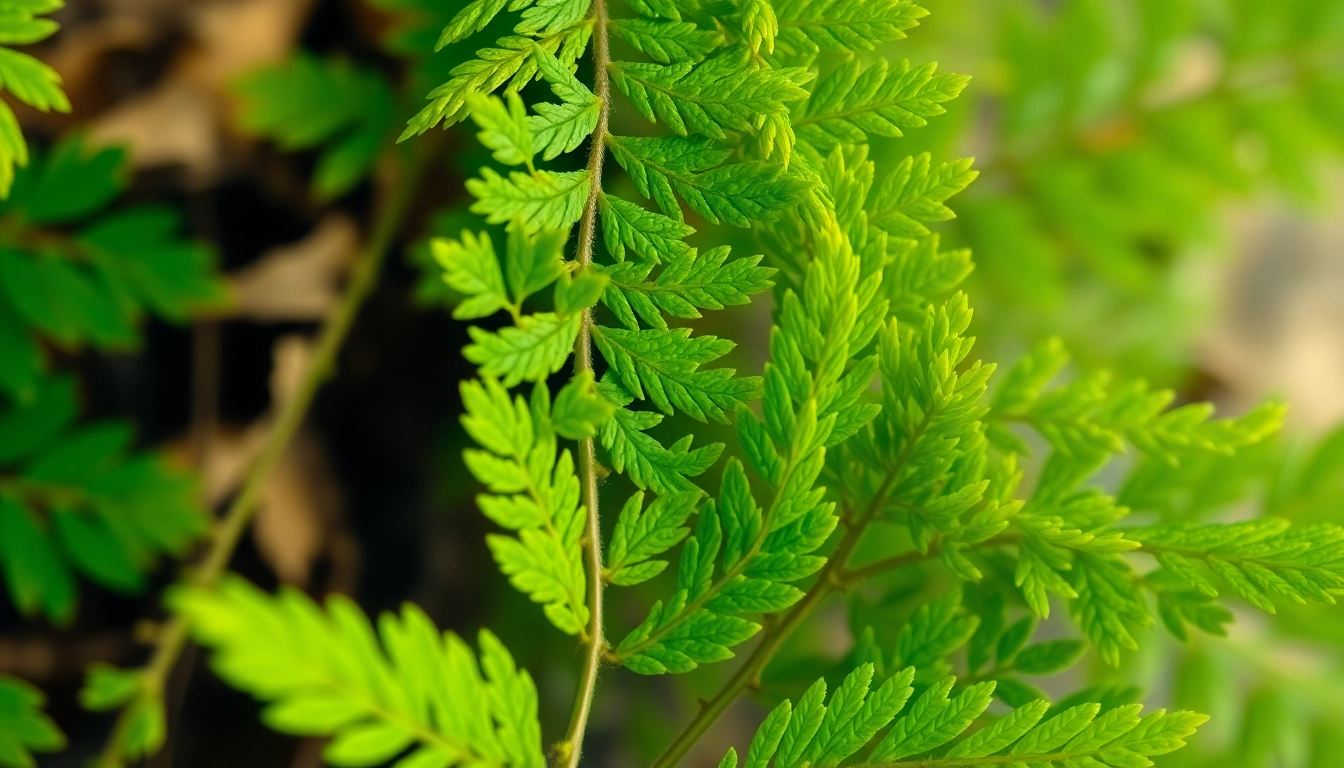
DMT naturally occurs in several plants, with notable examples including:
- Mimosa hostilis: The root bark is rich in DMT and is commonly used in extraction.
- Psychotria viridis: Often included in Ayahuasca brews, it contains a significant amount of DMT.
- Diplopterys cabrerana: Another shrub known for its DMT content, frequently used in traditional practices.
These plants can be found in diverse ecosystems, primarily within tropical and subtropical areas. As you search for these sources, remember to consider their ecological significance and the legal implications of harvesting them in your locality.
Extracting DMT from Plants
Extracting DMT is a delicate process that can involve various methods. One commonly used technique is acid-base extraction, which leverages the chemical properties of DMT to isolate it from plant materials. This method typically involves the following steps:
- Preparation: Start with dried plant material, typically ground into a fine powder.
- Acidic Extraction: Mix the plant powder with an acidic solution to convert DMT into a soluble form.
- Base Extraction: Add a basic solution to the mixture to precipitate DMT out of the solution.
- Solvent Separation: Use a non-polar solvent to extract the DMT from the aqueous solution.
- Evaporation: Remove the solvent to leave behind pure DMT.
While this method can be effective, it requires careful precision and knowledge of chemistry. Additionally, always be aware of the legal implications associated with extraction processes in your area.
Safety Considerations
Using DMT can result in significantly intense experiences that may not be safe for everyone. Individuals with a history of mental health issues, cardiovascular conditions, or those taking certain medications should exercise extreme caution. Proper preparation and having a trusted sitter present is critical during any DMT experience, especially if consuming it for the first time. Moreover, always ensure that you source plants or extracts responsibly to avoid contamination and adhere to local laws.
Common Myths and Misunderstandings
DMT Misconceptions in Popular Culture
Several myths exist surrounding DMT, often perpetuated by media portrayals. One common misconception is that DMT is merely a party drug. Contrary to this limited view, many users treat DMT as a profound spiritual tool, seeking experiences that can lead to personal growth and healing. Additionally, the notion that DMT is safe to use without preparation or understanding is misleading; like any potent substance, it requires respect and caution.
Scientific Perspectives on DMT
Research into DMT has increased significantly in recent years. Scientists are studying the compound’s interactions with various receptors in the brain and its potential applications for mental health therapies. Research suggests DMT could facilitate neurogenesis, the process by which new brain cells are generated, though much remains to be learned. Engaging with scientific literature can provide valuable insights into the effects and mechanisms of DMT.
Dangers of Misinformation
Misinformation regarding DMT can lead to harmful practices, such as unregulated consumption or dangerous extraction methods. Relying on anecdotal information can cause individuals to overlook essential safety precautions. It’s vital for those interested in DMT to seek trusted resources, community guidance, and grounded scientific data when learning about this complex substance.
Alternatives to Natural DMT
Synthetic DMT Production
Synthetic DMT production has become more accessible, allowing for the creation of the compound in controlled laboratory environments. The primary advantage of synthetic DMT is the ability to produce a pure, consistent product, free of impurities that may come from plant sources. The synthesis typically involves intricate organic chemistry techniques and requires a solid understanding of chemical principles.
Comparing Natural vs Synthetic
Both natural and synthetic DMT offer unique advantages. Natural DMT often carries a connection to cultural practices, providing a more holistic experience. Conversely, synthetic DMT allows for precise dosing and purity, making it potentially safer in therapeutic contexts. The choice between the two largely depends on individual preferences, motivations, and legal considerations surrounding their use.
Legal and Health Implications
While research on synthetic DMT is growing, the legal ramifications can be substantial. Both natural and synthetic forms of DMT are classified under strict regulations in most countries. Understanding the local legal landscape is crucial before attempting to procure or use DMT, ensuring that individuals remain compliant with laws designed to protect public health.
FAQs on DMT
What is the natural version of DMT?
DMT naturally occurs in several plants, notably Psychotria viridis and Mimosa tenuiflora, commonly utilized in traditional practices.
Is DMT safe to use?
DMT can have intense effects that may not be safe for everyone. It’s advisable to consult healthcare professionals beforehand.
Can I grow plants that contain DMT?
Yes, plants such as Mimosa hostilis can be cultivated. However, it’s crucial to check local laws as cultivation may be illegal.
How is DMT consumed?
DMT can be consumed in various forms, including brewed teas (like Ayahuasca), smoked, or vaporized, depending on its source.
What are the effects of taking DMT?
Users often report intense visual hallucinations, feelings of euphoria, profound experiences, and altered states of consciousness.